
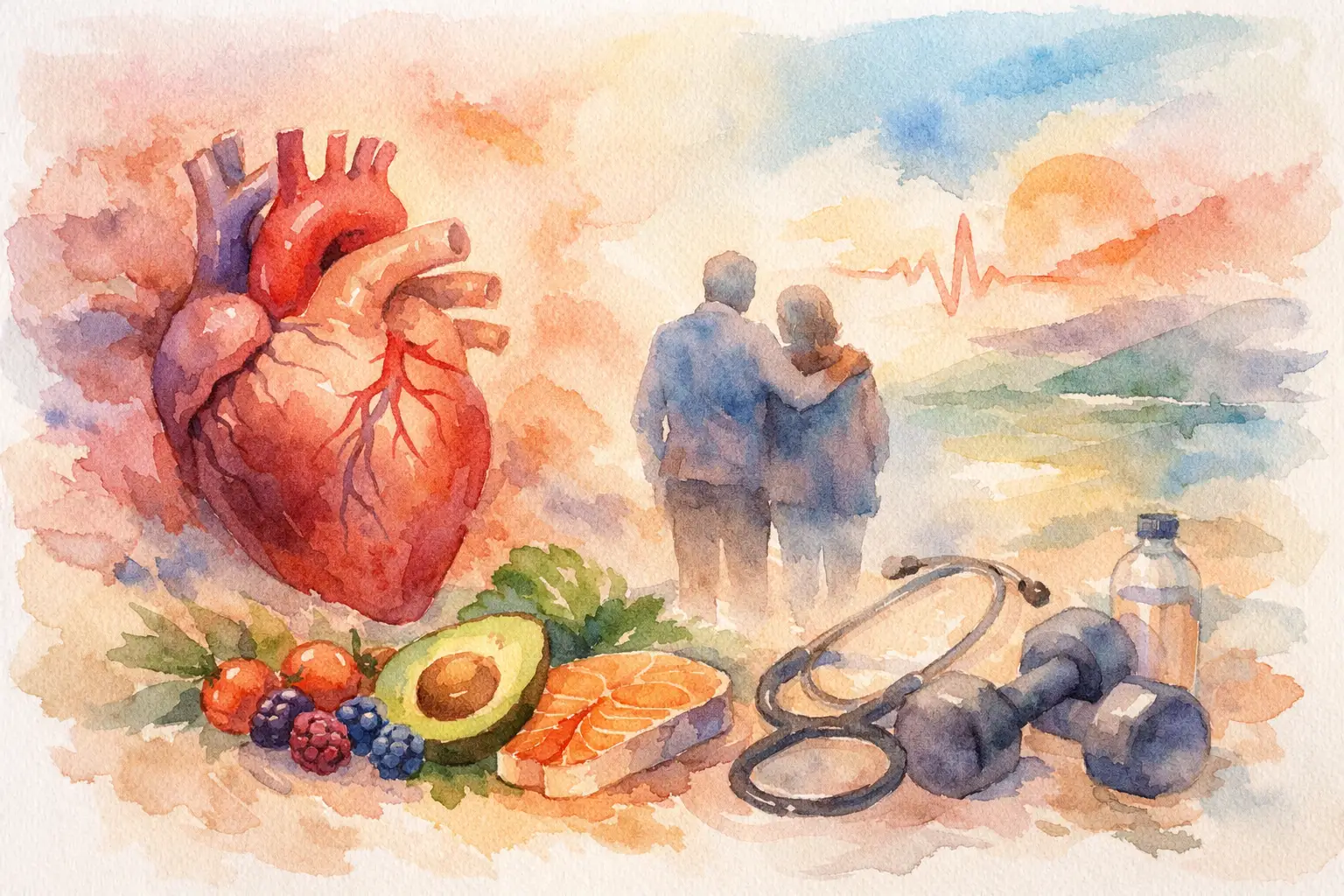
Heart Health After 50: What Matters Most
Maintaining cardiovascular health after age 50 involves monitoring silent risk symptoms such as blood pressure and cholesterol while implementing sustainable lifestyle shifts. Small improvements in activity levels and dietary patterns can significantly reduce the risk of stroke and heart disease. Preventive care and routine testing provide the necessary context for personalized medical decisions.
A healthy heart is not just about avoiding a heart attack. It supports the stamina to take a walk, keep up with grandchildren, travel, recover from illness, and remain independent. Heart health after 50 is shaped by a combination of factors: some you can change, such as blood pressure and activity, and others you cannot, such as age and family history.
The useful news is that prevention is not an all-or-nothing project. Small, sustained improvements can meaningfully lower cardiovascular risk. The best plan is one that fits your medical history, daily routine, medications, and priorities.
What heart health includes
Heart health, often called cardiovascular health, refers to the condition of the heart and blood vessels. It includes the risk of coronary artery disease, heart attack, stroke, heart failure, irregular heart rhythms such as atrial fibrillation, and circulation problems in the legs.
These conditions share many risk factors. High blood pressure can strain arteries and the heart over time. High LDL cholesterol can contribute to plaque buildup in arteries. Diabetes, smoking, inactivity, poor sleep, chronic stress, and excess body weight can also raise risk. Risk increases with age, but getting older does not mean heart disease is inevitable.
Some risk factors deserve extra attention because they are easy to miss. High blood pressure and high cholesterol often cause no symptoms. A person can feel well while changes are developing in the blood vessels. That is why preventive visits and routine testing matter.
Know the numbers worth discussing
Your clinician can help put your results in context. A single number rarely tells the whole story, particularly if you have diabetes, kidney disease, a prior heart event, or a strong family history of early heart disease.
Blood pressure
Blood pressure measures the force of blood against artery walls. It is recorded as two numbers. The top number, systolic pressure, reflects pressure when the heart contracts. The bottom number, diastolic pressure, reflects pressure while the heart relaxes.
For many adults, a reading below 120/80 mm Hg is considered normal. Readings that are repeatedly 130/80 mm Hg or higher may warrant a conversation about lifestyle changes, home monitoring, or medication. Your personal target may differ, especially if you are older, have dizziness when standing, or take several medications.
Home blood pressure readings can be particularly helpful because they show patterns outside the clinic. Use a validated upper-arm cuff, sit quietly for about five minutes, keep your feet on the floor, and bring a written or electronic log to appointments. Wrist devices may be less reliable unless used exactly as directed.
Cholesterol and blood sugar
A standard lipid panel measures several blood fats, including LDL cholesterol, often called “bad” cholesterol because higher levels can contribute to artery plaque. HDL cholesterol and triglycerides provide additional context. Treatment decisions are based on overall risk, not LDL alone.
Ask how often you should have cholesterol and blood sugar checked. This is especially worthwhile if you have high blood pressure, diabetes or prediabetes, a family history of heart disease, or a history of smoking. Current clinical guidelines often use a risk calculator to guide decisions about statin medicines and other prevention steps.
Weight, waist size, and daily function
Weight can be one useful measure, but it is not the only one. Changes in waist size, energy, mobility, fitness, and blood pressure may also show whether a plan is helping. For many people, focusing on routines rather than a target weight is more sustainable and less discouraging.
The habits with the strongest evidence
There is no supplement, detox, or single food that replaces the fundamentals. Research consistently supports a pattern of eating, moving, sleeping, and avoiding tobacco that protects the heart over time.
Eat in a pattern, not by a rigid rulebook
Mediterranean-style and DASH-style eating patterns have strong evidence for supporting blood pressure and cardiovascular health. In practical terms, they emphasize vegetables, fruits, beans, whole grains, nuts, seeds, fish, and unsaturated fats such as olive oil. They limit highly processed foods, added sugars, refined grains, and foods high in saturated fat or sodium.
You do not need to overhaul every meal. Consider one useful change at a time: replace a processed lunch with leftovers built around vegetables and beans, choose unsalted nuts instead of chips, or flavor food with herbs, citrus, and spices before reaching for the salt shaker.
Sodium deserves individual attention. Lowering sodium can help many people with high blood pressure, but packaged and restaurant foods are often the largest sources. If heart failure, kidney disease, or a special diet is part of your medical picture, ask your clinician or a registered dietitian for more tailored guidance.
Move regularly, within your abilities
Regular activity helps blood pressure, blood sugar, cholesterol, mood, sleep, balance, and physical function. Federal guidance generally recommends at least 150 minutes a week of moderate-intensity activity, plus muscle-strengthening work on two days each week. But any movement is better than none.
A brisk walk is a sensible starting point for many people. If walking is painful or unsteady, chair exercises, water exercise, a stationary bike, or physical therapy-guided movement may be better options. Build gradually, particularly if you have been inactive or have a heart, lung, or joint condition.
Strength and balance exercises are often overlooked in conversations about heart health. They can make it easier to stay active and reduce falls, which supports independence. A practical goal is to choose activity you are likely to repeat, not the workout that sounds most impressive.
Treat sleep, stress, and tobacco as medical issues
Most adults benefit from seven to nine hours of sleep, though individual needs vary. Loud snoring, gasping during sleep, waking unrefreshed, or excessive daytime sleepiness may suggest sleep apnea. Untreated sleep apnea can affect blood pressure and heart rhythm, so it is worth raising with a clinician.
Stress does not directly explain every heart problem, but persistent stress can affect sleep, activity, eating, alcohol use, and blood pressure. Helpful approaches can include social connection, counseling, breathing exercises, time outdoors, or a regular routine that creates a little room to recover.
If you smoke or use tobacco, quitting is among the most powerful steps you can take for your heart and circulation. Nicotine replacement, prescription treatment, and behavioral support can improve the odds of quitting. It often takes more than one attempt, and that is not a failure.
Medications are part of prevention for many people
Lifestyle changes and medication are not competing approaches. They often work together. Blood pressure medicines, statins, diabetes treatments, and medicines for atrial fibrillation can substantially reduce risk when they are appropriate for the individual.
Do not stop a prescribed heart medication because a reading improves or because you feel fine without discussing it first. Likewise, report side effects rather than simply tolerating them. A different dose, schedule, or medication may solve the problem.
Be cautious with supplements marketed for cholesterol, circulation, or “natural” heart support. Some have limited evidence, can interact with prescriptions, or may not contain what the label suggests. Bring a full list of medications, over-the-counter products, vitamins, and supplements to each appointment.
Symptoms that should not be brushed aside
Heart symptoms are not always dramatic. Chest pressure, tightness, squeezing, or discomfort can be a warning sign, but so can unusual shortness of breath, nausea, cold sweats, lightheadedness, pain in the jaw or arm, or sudden fatigue. Symptoms may be less typical in women, older adults, and people with diabetes.
Call 911 in the United States for possible heart attack or stroke symptoms, especially if symptoms are new, severe, worsening, or last more than a few minutes. Do not drive yourself. For possible stroke, remember FAST: face drooping, arm weakness, speech difficulty, time to call 911.
A new irregular heartbeat, fainting, swelling in the legs, worsening breathlessness, or a noticeable drop in exercise tolerance also deserves prompt medical advice. These symptoms can have several causes, but they should not be self-diagnosed.
A realistic next step for better heart health
At your next preventive visit, ask three focused questions: What is my current cardiovascular risk? Which numbers should I monitor? What is the one change most likely to help me right now? Bringing home readings, a medication list, and your family history makes that conversation more productive.
Heart health is built through ordinary decisions repeated over time. Choose one change you can live with this week, share it with someone who can encourage you, and let your healthcare professional help you adjust the plan as your needs change.
Preferred Source
Enjoy The Health Almanac?
Add us as a preferred source on Google to see more Health Almanac articles in your Google results.
/archive/2026/07/21/heart-health-after-50-what-matters-most