
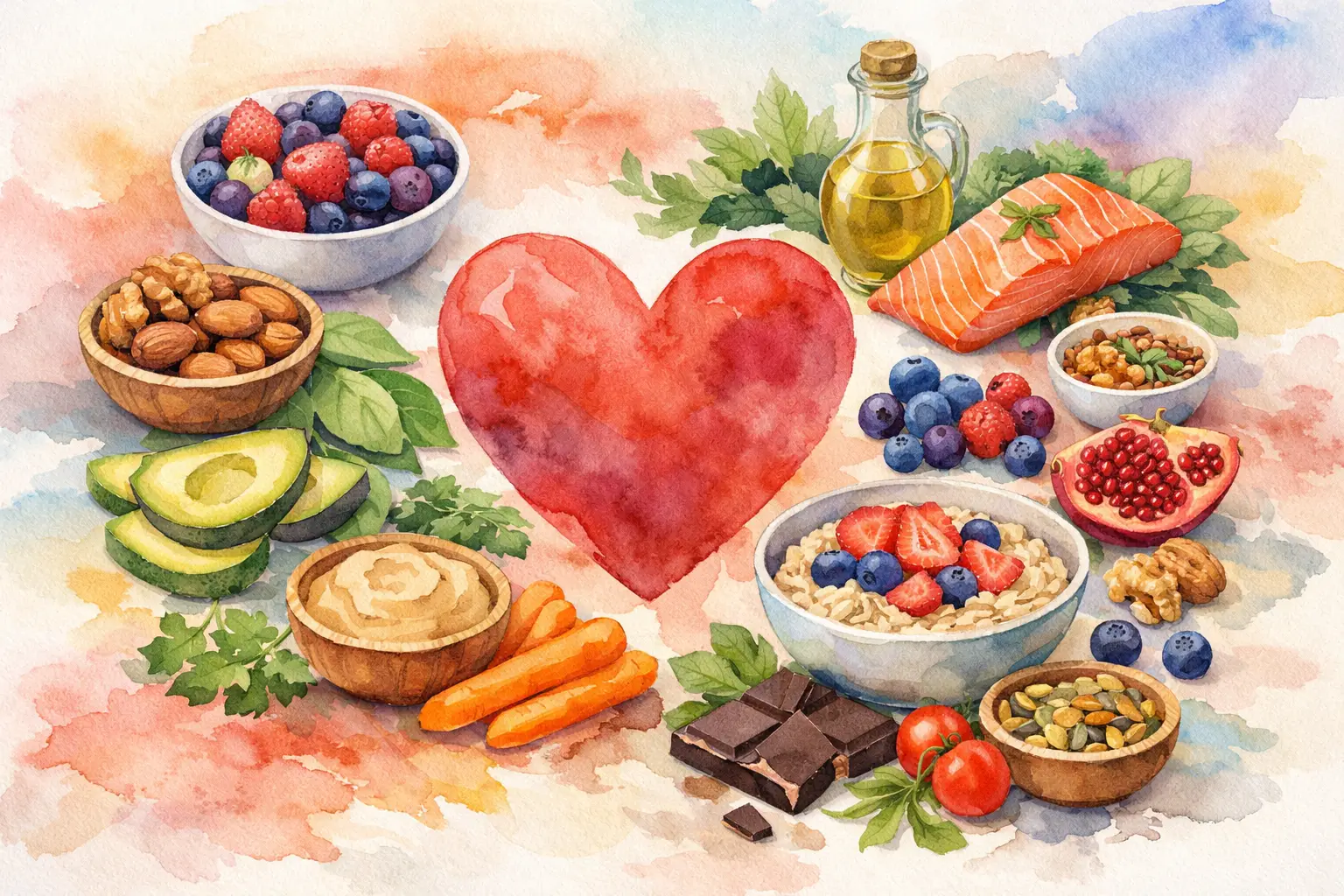
12 Best Snacks for Heart Health, Explained
Heart-healthy snacking focuses on foods high in fiber, protein, and unsaturated fats to manage cholesterol and blood pressure. Combining produce with protein-rich items like nuts or Greek yogurt can improve satiety while limiting sodium and added sugars. Checking serving sizes and labels on packaged goods helps maintain an eating pattern that supports long-term cardiovascular wellness.
A midafternoon snack can either quietly support your heart-health goals or add more sodium, added sugar, and saturated fat than you intended. The best snacks for heart health are usually simple foods that provide fiber, unsaturated fats, protein, or potassium without relying heavily on salt and refined carbohydrates.
That does not mean every snack must be perfectly portioned or homemade. A heart-supportive eating pattern has room for convenience foods and occasional treats. The useful question is not whether a snack is “good” or “bad,” but whether it helps make your usual eating pattern more nourishing, satisfying, and practical to maintain.
What makes a snack heart-healthy?
Heart health is influenced by many factors, including blood pressure, cholesterol, blood sugar, physical activity, sleep, smoking status, family history, and medications. Food is one piece of that picture. Research and guidance from organizations such as the American Heart Association generally emphasize eating patterns rich in vegetables, fruits, whole grains, legumes, nuts, seeds, fish, and unsaturated oils.
For snacks, four qualities are especially useful:
- Fiber can help you feel full and may help support healthy cholesterol levels. Fruits, vegetables, beans, oats, and whole grains are reliable sources.
- Unsaturated fats are found in nuts, seeds, avocado, and some fish. Replacing foods high in saturated fat with these foods is generally more helpful than simply adding them to an already high-calorie diet.
- Protein can make a snack more satisfying, particularly when paired with a high-fiber food.
- Lower sodium and added sugar matter because many packaged snacks contribute meaningfully to daily intake without seeming especially salty or sweet.
Portion size still matters. Nuts and nut butter are nutritious, for example, but they are calorie-dense. A small handful of nuts or about 1 to 2 tablespoons of nut butter is often enough for a snack.
12 best snacks for heart health
The choices below are flexible rather than prescriptive. Choose options that fit your budget, chewing comfort, appetite, cultural preferences, and any nutrition guidance you receive from your clinician.
| Snack | Why it can fit a heart-healthy pattern | Practical portion | |---|---|---| | Apple or pear with peanut butter | Fruit provides fiber; peanut butter adds protein and unsaturated fat. | One medium fruit with 1-2 tablespoons peanut butter. | | Plain Greek yogurt with berries | Yogurt offers protein; berries add fiber and naturally sweet flavor. | About 3/4 cup yogurt with a handful of berries. | | Unsalted nuts | Nuts provide unsaturated fats, fiber, and minerals. | A small handful, about 1 ounce. | | Vegetables with hummus | This combines vegetables with fiber-rich chickpeas and tahini. | Sliced vegetables with 1/4 cup hummus. | | Oatmeal with cinnamon and walnuts | Oats contain soluble fiber; walnuts add texture and healthy fats. | A small bowl of plain oatmeal with a spoonful of walnuts. | | Whole-grain crackers with avocado | Whole grains and avocado can be filling without much added sugar. | A few crackers topped with 1/4 avocado. | | Air-popped popcorn | Popcorn is a whole grain when prepared simply. | About 3 cups, lightly seasoned. | | Edamame | Soybeans provide plant protein and fiber. | About 1/2 to 1 cup, ideally unsalted. | | Cottage cheese with tomatoes | Protein-rich cottage cheese can pair well with vegetables. | About 1/2 cup, choosing a lower-sodium option when possible. | | Tuna on whole-grain crispbread | Tuna provides protein; fatty fish varieties also provide omega-3 fats. | A small serving of tuna on 2-3 crispbreads. | | Chia pudding | Chia seeds provide fiber and unsaturated fat. | A small serving made with unsweetened milk or yogurt. | | Roasted chickpeas | Chickpeas offer fiber and protein with a satisfying crunch. | About 1/2 cup; watch sodium in packaged versions. |
Fruit plus protein is an easy default
If you want one dependable snack formula, pair a fruit or vegetable with a protein- or fat-containing food. Try a banana with a small handful of walnuts, grapes with cheese, or bell pepper strips with hummus. This approach is often more filling than crackers, candy, or a sweet drink alone because it combines carbohydrate with fiber, protein, or fat.
Cheese can fit, though it is worth paying attention to sodium and saturated fat. A small portion of lower-sodium cheese paired with fruit is different from making processed cheese snacks a daily habit.
Packaged snacks can work, too
Convenience matters, particularly for travel, caregiving days, medical appointments, or busy afternoons. Useful shelf-stable choices include unsalted nuts, no-salt-added roasted chickpeas, plain popcorn, lower-sodium whole-grain crackers, and single-serving tuna or salmon packets.
Some foods carry a health-focused label but are still high in sodium, added sugar, or saturated fat. Granola bars, trail mixes, flavored yogurt, veggie chips, and protein bars vary widely. They are not automatically poor choices, but their nutrition labels deserve a quick look.
How to read a snack label without overthinking it
Start with the serving size. A package that looks like one snack may contain two or three servings, which can change the amount of sodium, added sugar, and calories you actually eat.
Next, check sodium. For people managing high blood pressure or heart failure, sodium goals may be individualized, so follow your healthcare professional’s advice. As a general comparison tool, a snack with much less sodium than similar products is often the easier everyday choice. For example, compare two kinds of crackers or canned beans rather than trying to judge a single number in isolation.
Then look at saturated fat and added sugars. Foods with little or no added sugar are often preferable for routine snacking, especially if dessert-like snacks are already common in your day. Saturated fat is found in foods such as butter, fatty meats, full-fat dairy, and coconut or palm oils. The Dietary Guidelines for Americans recommend limiting saturated fat to less than 10% of daily calories for most people age 2 and older.
Finally, look for fiber and protein as helpful additions. There is no magic number that makes a snack heart-healthy, but a product with several grams of fiber and some protein may keep you satisfied longer than a refined snack with little of either.
Snack choices for common health needs
The best option depends on your broader health picture. If you have diabetes or prediabetes, pairing carbohydrates with protein, fat, or fiber may help reduce sharp blood sugar rises. A registered dietitian or diabetes care team can help you choose portions that fit your medication plan.
If you have kidney disease, foods often recommended for heart health, including nuts, beans, dairy, and potassium-rich produce, may need to be adjusted. People taking certain blood pressure medicines may also need individualized guidance about potassium. Do not make major dietary changes based on a general list alone if you have reduced kidney function.
For people with swallowing difficulty, dental concerns, or reduced appetite, softer choices may be more realistic: yogurt with fruit, oatmeal, mashed avocado on soft whole-grain toast, or smooth hummus. Nutrition that you can comfortably eat is more useful than an idealized plan that does not fit your daily life.
A simple way to stock your kitchen
Keep a few snack components visible and ready to use. Wash fruit, portion unsalted nuts into small containers, keep cut vegetables in the refrigerator, and choose plain yogurt or hummus that you enjoy. Frozen berries and edamame are also practical because they last longer and reduce waste.
Try not to rely on hunger alone to make the decision. When the easiest choice is a bag of salty chips, that is usually what gets eaten. Keeping a few satisfying options available can make a heart-supportive choice feel ordinary rather than restrictive.
A snack does not need to be perfect to be helpful. One small, repeatable change, such as swapping a sugary pastry for oatmeal and berries a few days each week, can be a reasonable place to start and a useful topic to bring to your next healthcare visit.
Preferred Source
Enjoy The Health Almanac?
Add us as a preferred source on Google to see more Health Almanac articles in your Google results.
/archive/2026/07/22/12-best-snacks-for-heart-health-explained